

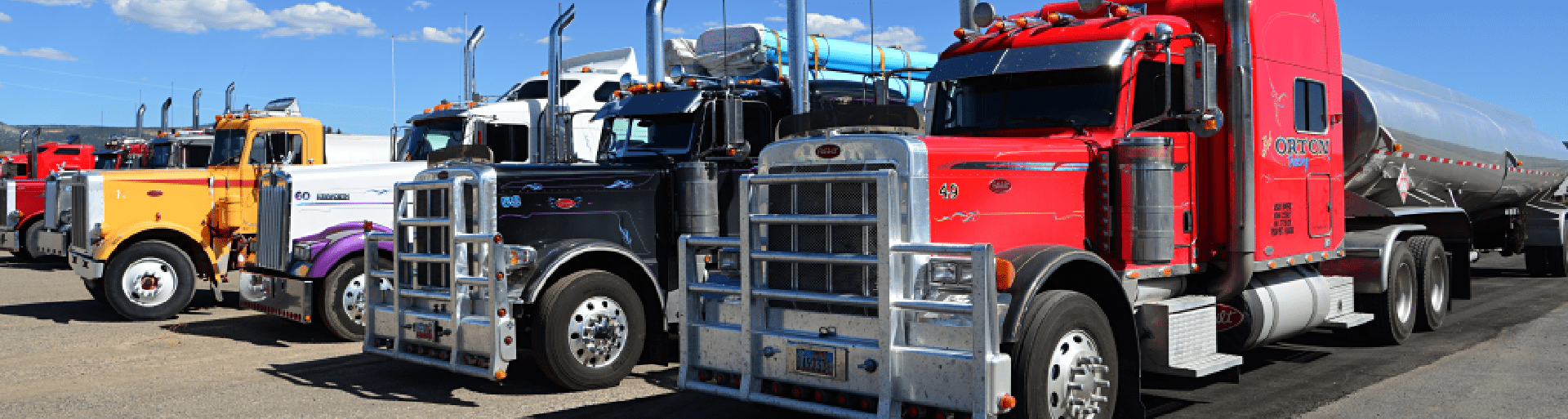


Taking care of your transportation needs is a long-term commitment that requires consistency, planning, and the right logistics practices. Whether you’re managing daily deliveries or scheduling routine fleet maintenance, understanding your transport requirements is essential for achieving smooth, safe, and efficient operations. In this blog post, we’ll explore key aspects of transport management, including vehicle care, route planning, regular inspections, preventive checks, and more.
Importance of Daily Vehicle Checks
Daily vehicle inspections are the foundation of safe and reliable transport operations. Checking fuel levels, tire pressure, brakes, and lights helps prevent breakdowns and ensures your fleet operates smoothly. It’s equally important to verify load safety, maintain proper documentation, and monitor overall vehicle performance. By maintaining these habits daily, you can avoid costly delays, ensure driver safety, and keep your operations running efficiently.
Regular Fleet Maintenance
Scheduling regular maintenance is essential for keeping your vehicles in top condition. Mechanics can detect early signs of engine issues, worn-out parts, or safety concerns that may not be noticeable during daily checks. Professional servicing helps improve mileage, reduce repair costs, and extend the lifespan of your fleet. Whether it’s every few thousand kilometers or as recommended by your transport provider, consistent maintenance ensures long-term efficiency and reliability.
Balanced Planning for Transport Efficiency
Your route planning and scheduling play a vital role in overall transport performance. Efficient route selection saves time, reduces fuel consumption, and improves delivery accuracy. Using GPS tracking, real-time updates, and smart logistics tools helps optimize paths and avoid congestion. Proper planning doesn’t just benefit your business—it directly affects customer satisfaction, delivery speed, and operational success.
Rest and Stress-Free Driving
Rest and relaxation are equally important for transport safety. Fatigued or stressed drivers may face slower reaction times, reduced focus, or even safety risks on the road. Ensuring proper rest, well-organized schedules, and stress-free working conditions helps drivers perform better and stay alert. If signs of tiredness or discomfort appear, provide support—safety always comes first. A healthy, well-rested driver contributes to smoother and safer transport operations.
Transport Etiquette and Safe Driving Habits
Following proper transport etiquette and safe driving habits ensures long-term success. Avoid overloading vehicles, aggressive driving, or using shortcuts that compromise safety. Encourage drivers to maintain stable speeds, follow traffic rules, and practice responsible behavior on the road. Building strong transport habits helps protect your vehicles, your team, and your customers, while ensuring smooth logistics operations day after day.
Preventive Transport Care and Inspections
Preventive care is the key to avoiding expensive repairs and unexpected breakdowns. Regular inspections, oil changes, alignment checks, and brake tests help keep your fleet safe and ready for the road. Don’t skip scheduled diagnostics—they help identify hidden issues before they escalate. Routine preventive maintenance strengthens your fleet, improves performance, and supports consistent, reliable transport services.
Conclusion: Safe, Smooth, and Reliable Transport
Committing to proper transport management, maintaining efficient planning, and scheduling routine maintenance will ensure safe, smooth, and reliable operations for years to come. Your transport systems are a reflection of your business efficiency—treat them with care and attention. With the right practices and regular inspections, you can keep your fleet strong, your drivers safe, and your deliveries on time every day!
Leave a Reply